The Willy Wonka factory of product testing
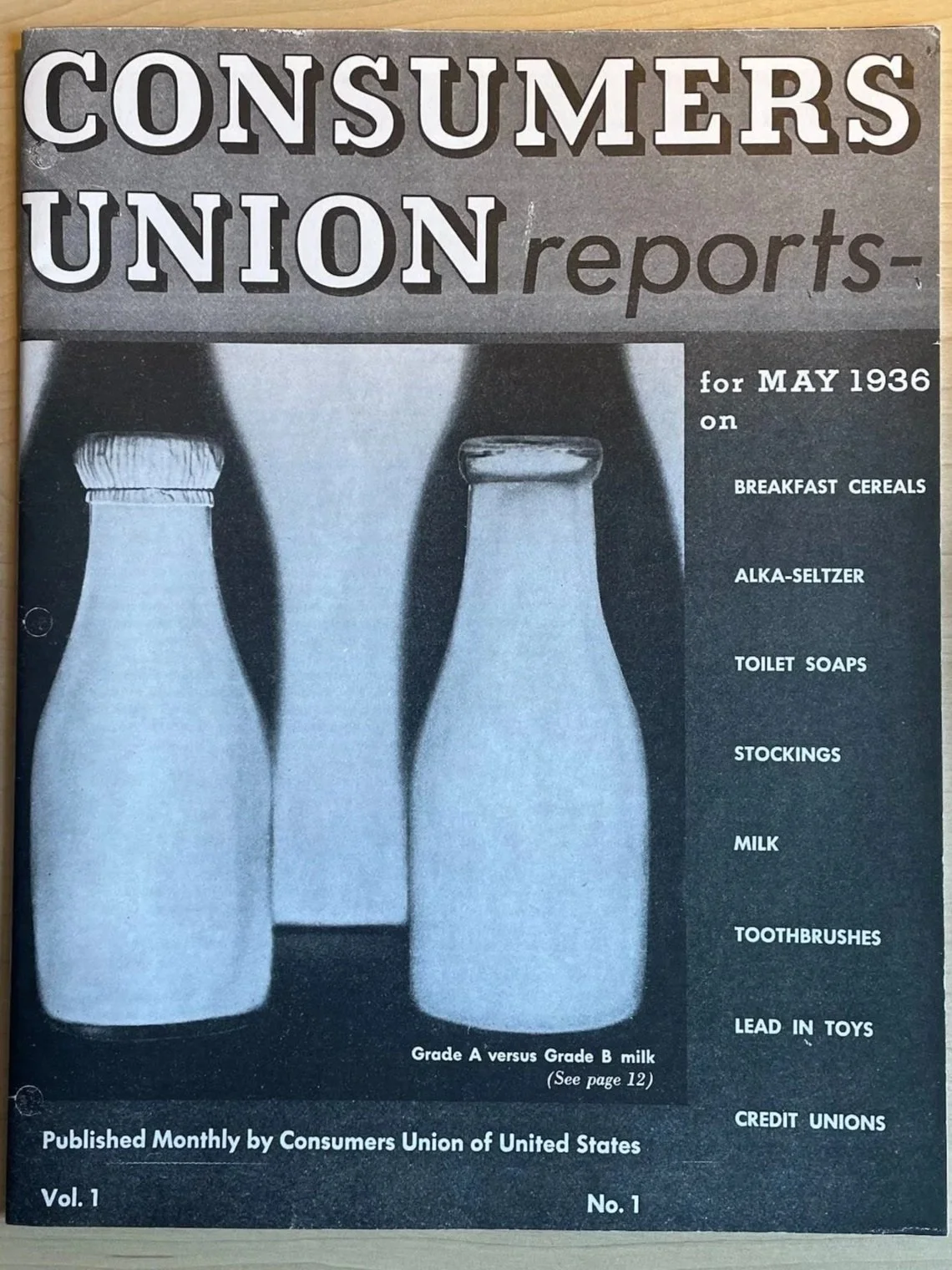
Cover page of the very first issue of Consumer Reports (Photo courtesy of Consumer Reports)
Producer Felix Poon goes on a field trip to the headquarters of Consumer Reports, where they test snow blowers on wet sawdust, drop bicycle helmets on anvils, and cover space heaters in towels to see how long it takes them to catch fire.
How do they come up with this stuff? And, in a world of rampant consumerism, can Consumer Reports really be a force for good?
Featuring Barrie Rosen, Paul Hope, Chris Regan, Scott Collumb, Matt Schimmenti, Indu Sunkara, Paolo Fu, Sana Mujahid, Joan Muratore, and Phil Radford.



ADDITIONAL MATERIALS
In Consumer Reports’ very first issue were investigations into the difference between Grade A versus Grade B milk (there was none) and the practice of “slack-fill,” when cereal companies put more air than cereal in their cereal boxes.
Learn more about some of the topics referenced throughout the episode:
SUPPORT
To share your questions and feedback with Outside/In, call the show’s hotline and leave us a voicemail. The number is 1-844-GO-OTTER. No question is too serious or too silly.
Outside/In is made possible with listener support. Click here to join our Patreon and get ad-free episodes of the podcast.
Follow Outside/In on Instagram, TikTok, or join our private discussion group on Facebook.
CREDITS
Host: Nate Hegyi
Reported, produced, and mixed by Felix Poon
Editing by Taylor Quimby
Our staff includes Justine Paradis, Marina Henke, and Jessica Hunt.
Executive producer: Taylor Quimby
Rebecca Lavoie is NHPR’s Director of On-Demand Audio.
Special thanks to Jason Holmes, Richard Handel, Michael Sedlak, Michael Johnson, Dan Kahl, Elias Arias, Sue Booth, Jerome Joseph, Sarah Bogdan, CJ Senerchia, Matthew Guerra, Jonathan Tuszynski, and Elmer Guardado.
Music by Blue Dot Sessions, Nico Dickens, Ludvig Moulin, Lennon Hutton, and Odyssey Orchestra.
Outside/In is a production of New Hampshire Public Radio.
Audio Transcript
Note: Episodes of Outside/In are made as pieces of audio, and some context and nuance may be lost on the page. Transcripts are generated using a combination of speech recognition software and human transcribers, and may contain errors.
Paul Hope: this truck actually right here is delivering the wood we use for chainsaw testing.
[laughter]
Felix Poon: Oh, fun.
Felix Poon: You really do test everything. Yeah. You’re consumer reports. You can think about if you can buy it, you test it.
[MUX IN: Bergamot by Blue Dot Sessions]
Paul Hope: Definitely.
Nate Hegyi: From NHPR this is Outside/In, a show where curiosity and the natural world collide. I’m Nate Hegyi.
If you’ve ever bought an expensive outdoor tool or an appliance… you probably know that it can be a weirdly stressful decision.
You want something cheap but you also don’t want something that’s a piece of junk. Also check out this grill it has built-in bluetooth… wait why does it have bluetooth??
For almost a hundred years, consumer reports has been trying to help people not get ripped off by testing products and letting folks know what’s worth buying.
Felix Poon: someone on a lawn mower there. I don't know if it's just to mow the lawn or if they're actually testing the lawn mower
Paul Hope: I think in this case that is just of maintenance facilities person cutting our actual grass.
Nate Hegyi: That’s producer Felix Poon, getting a tour with Consumer Reports Content Editor, Paul Hope, at their headquarters, just outside of New York City.
They don’t test lawnmowers here – that happens in Florida – but they do test just about everything else you can think of here.
Paul Hope: we do our generator testing, leaf blower testing, snow blowers. Chainsaw testing and pressure washers.
Nate Hegyi: And they get… creative.
They test bug spray by letting themselves get bit by hundreds of mosquitoes.
They blow cigarette smoke into air-purifiers, to see how well they filter it out.
And they test snow-blowers, not on snow… but on wet sawdust.
[MUX IN: At the Riviera by Nico Dickens]
How do they come up with this stuff?
Felix Poon: Wow. What a job. Yeah, yeah. It's like you're always at summer camp or something.
Paul Hope: It is a little it is a little bit summer camp in that way, for sure.
[MUX SWELL]
<<NUTGRAPH>>
Nate Hegyi: For better or for worse, a lot of our lives revolve around the things we choose to buy, and to not buy. So, in this episode of Outside/In producer Felix Poon goes behind the scenes at Consumer Reports.
Is one secret to living more sustainably: buying better stuff?
Chris Regan: When did you switch over?
Scott Collumb: Only a couple of years ago. But the batteries have been getting better and better, especially on mowers.
Nate Hegyi: And, in a world of rampant consumerism, can Consumer Reports really be a force for good?
Phil Radford: My role at Consumer Reports is to serve all consumers, whether or not they are concerned about the environment.
Nate Hegyi: Felix will take it over from here, after a break.
[MUX SWELL AND OUT]
<<PREROLL>>
Google: Turn right onto Tremont Avenue, then immediately turn left into the parking lot.
Felix Poon: From NHPR this is Outside/In, a show where curiosity and the natural world collide. I’m Felix Poon.
[AMBI: car door closing]
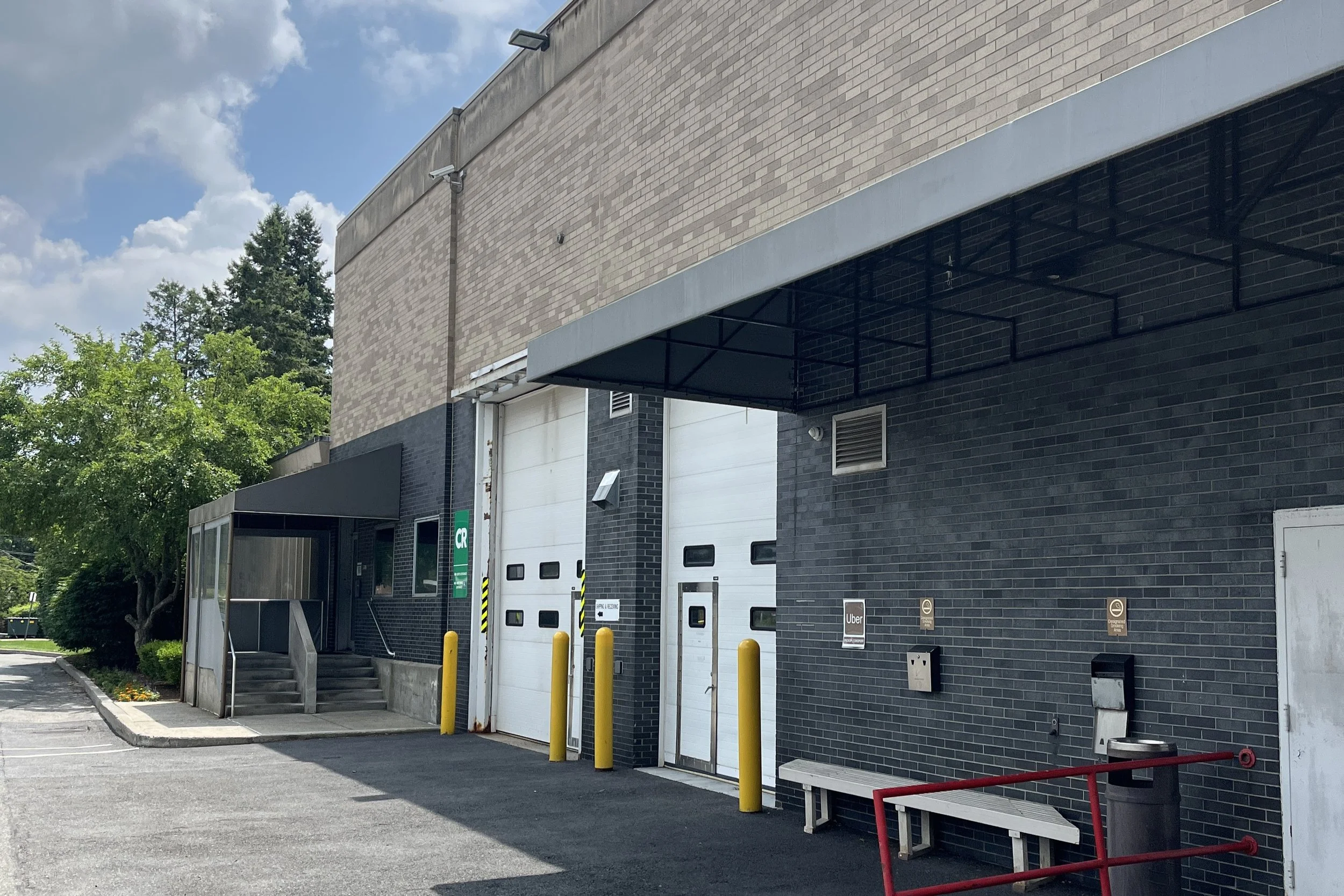
Felix Poon: I’m not sure what I was expecting the headquarters of Consumer Reports to look like. Maybe a colorful Willy Wonka-style factory of wacky testing?
But… when I get there, I’m greeted by a drab warehouse-type building.
Barrie Rosen: So welcome to the lovely facility in Yonkers. Hopefully you didn't think you were entering a prison when you saw the outside.
Felix Poon: It is a pretty dull and dreary building. Yeah.
Barrie Rosen: I assure you, you will be awed and delighted as you walk through. It definitely gets better from the outside in.
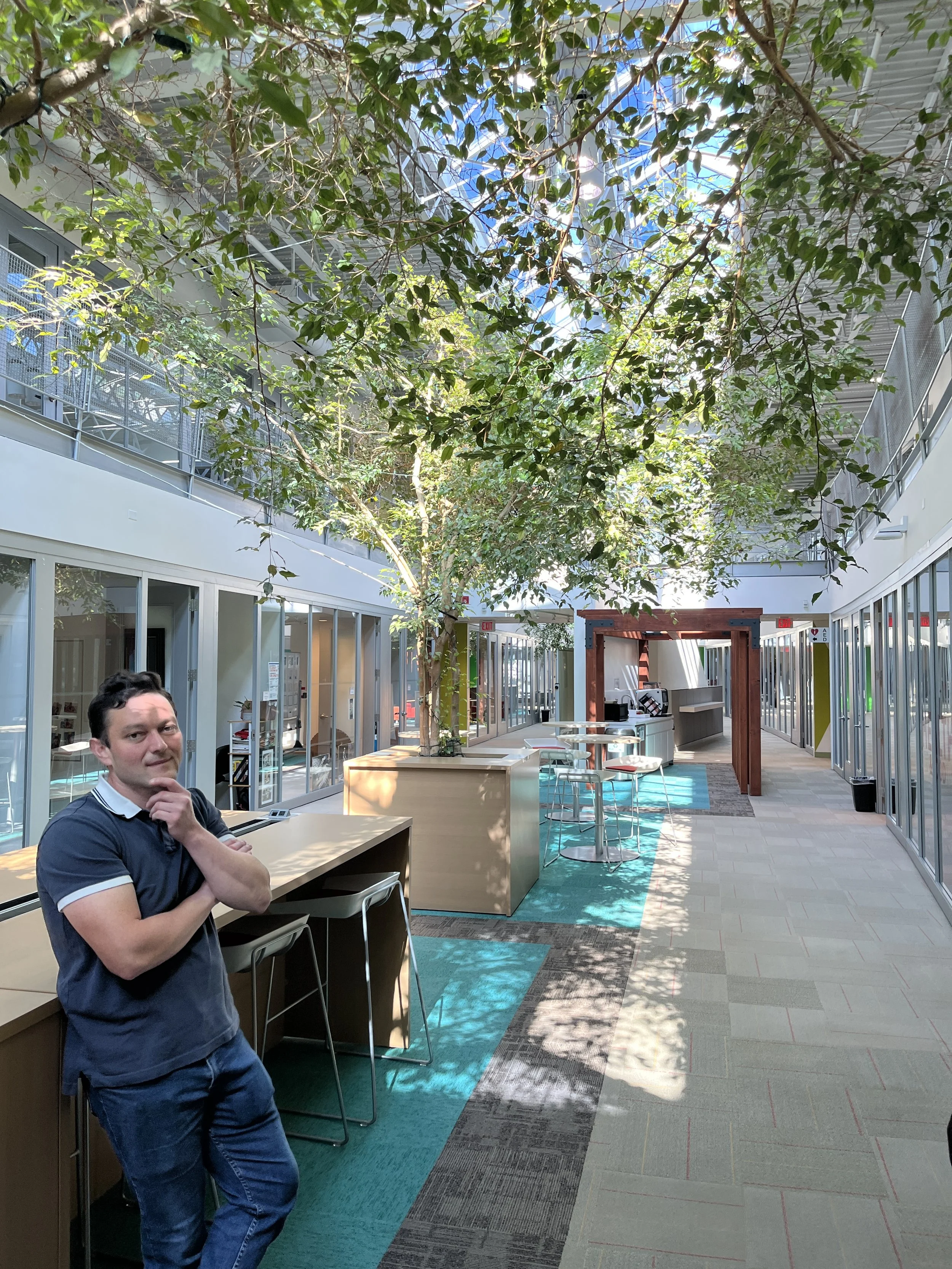
Felix Poon: It’s true, once I’m through the entrance I’m in an atrium, with lots of natural sunlight and even trees!
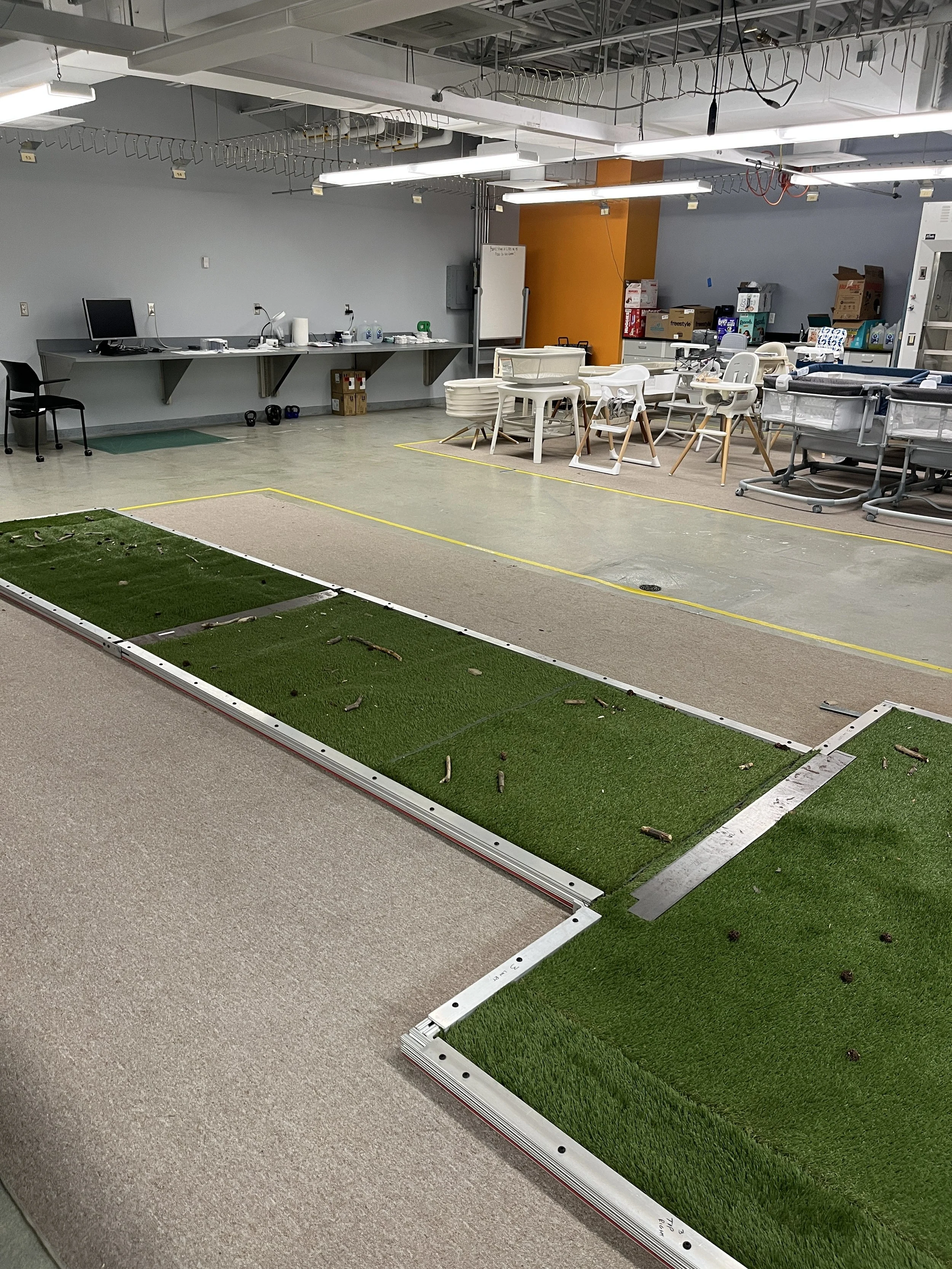
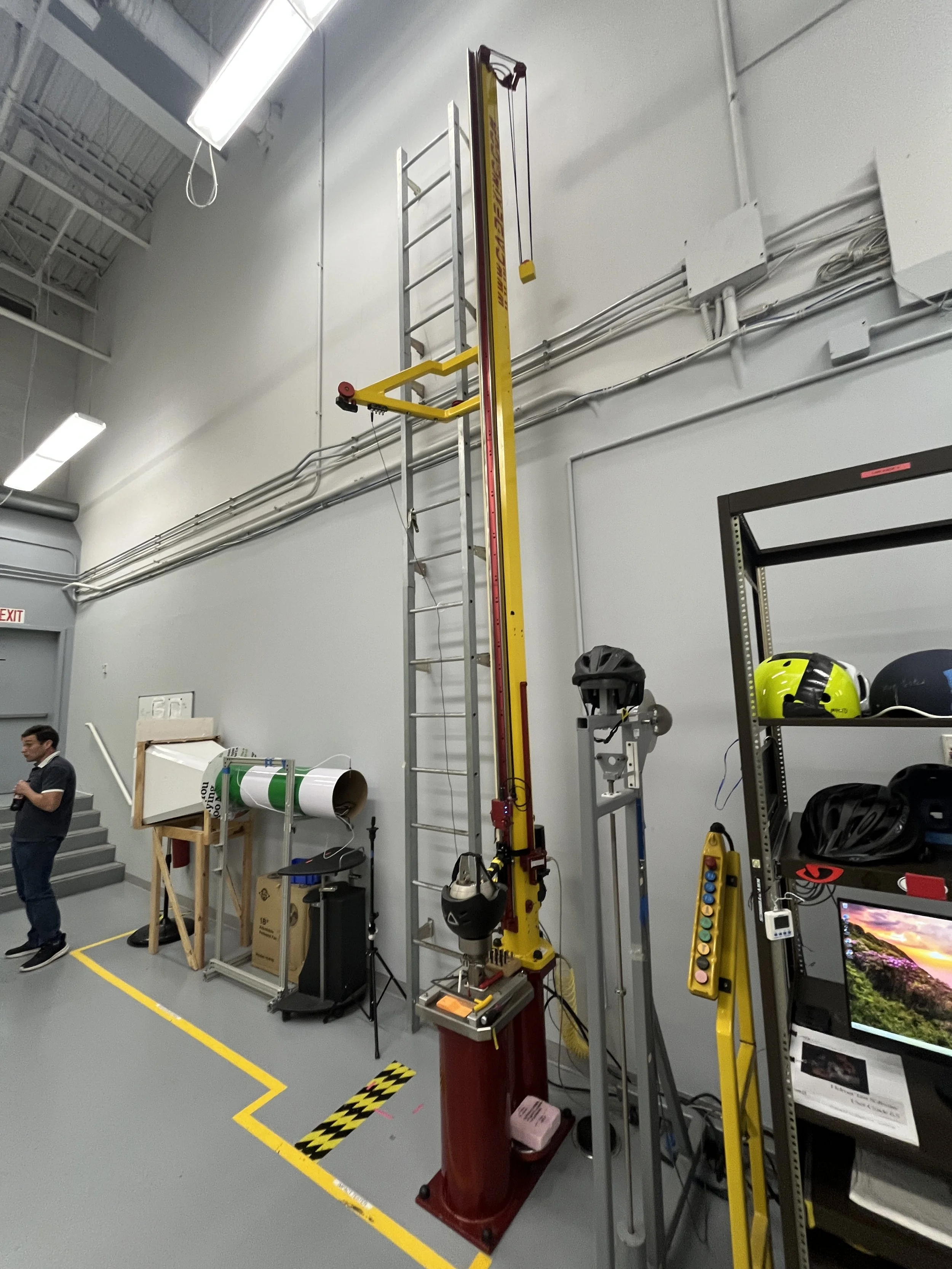
They take me down some hallways to see their labs. I don’t see any white coats or test tubes here. It’s a lot more DIY looking… think Home Depot, if the staff were like, “let’s come up with all sorts of ways to destroy stuff.”
[MUX IN: The Crisper by Blue Dot Sessions]
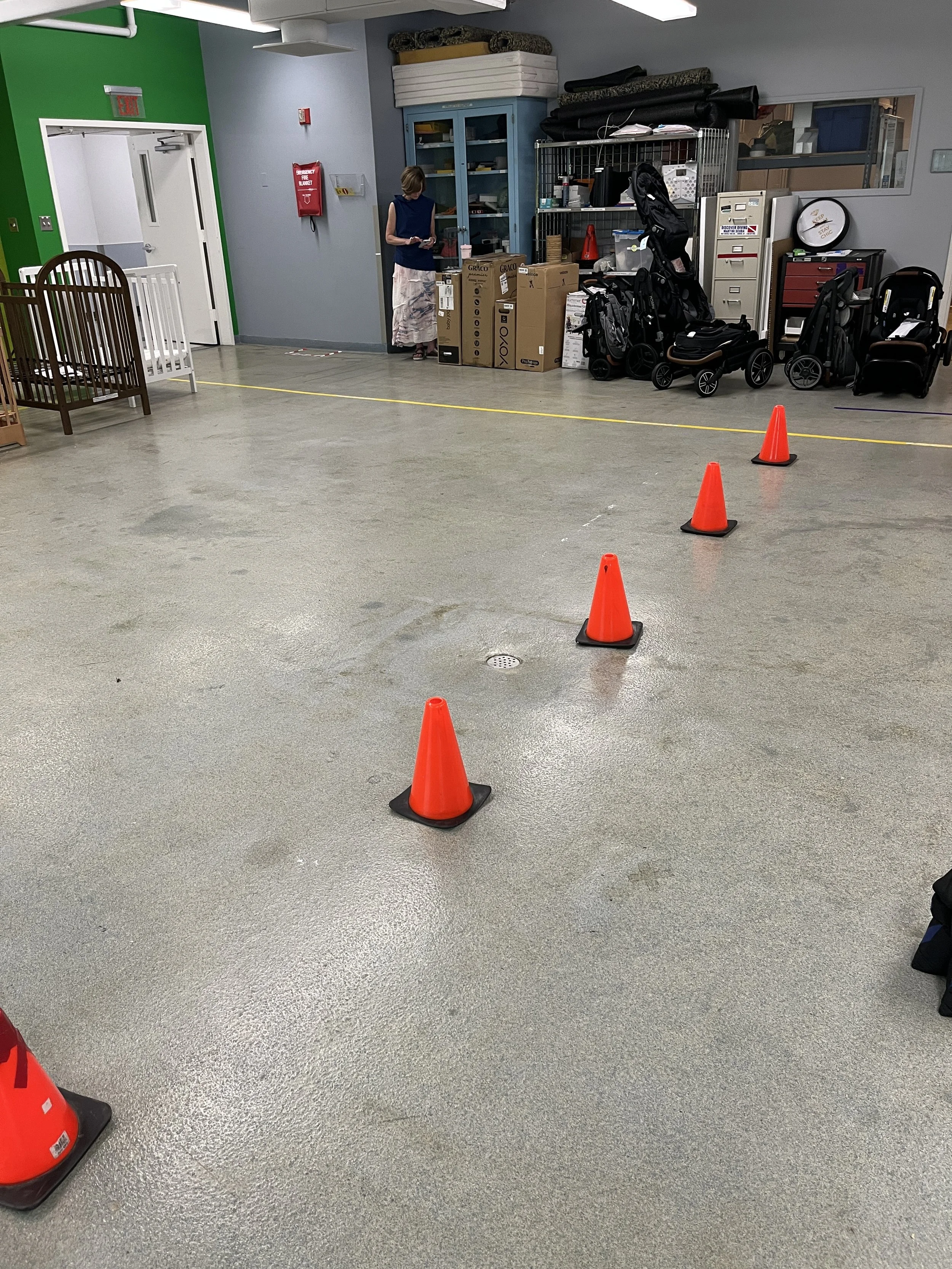
Joan Muratore: basically let the stroller go and crash into that barrier down there.
Paul Hope: We drop the lid of every grill from a fixed height.
Susan Booth: The helmet and the head form come up around six feet or so, and we drop it on this steel, this flat steel anvil.
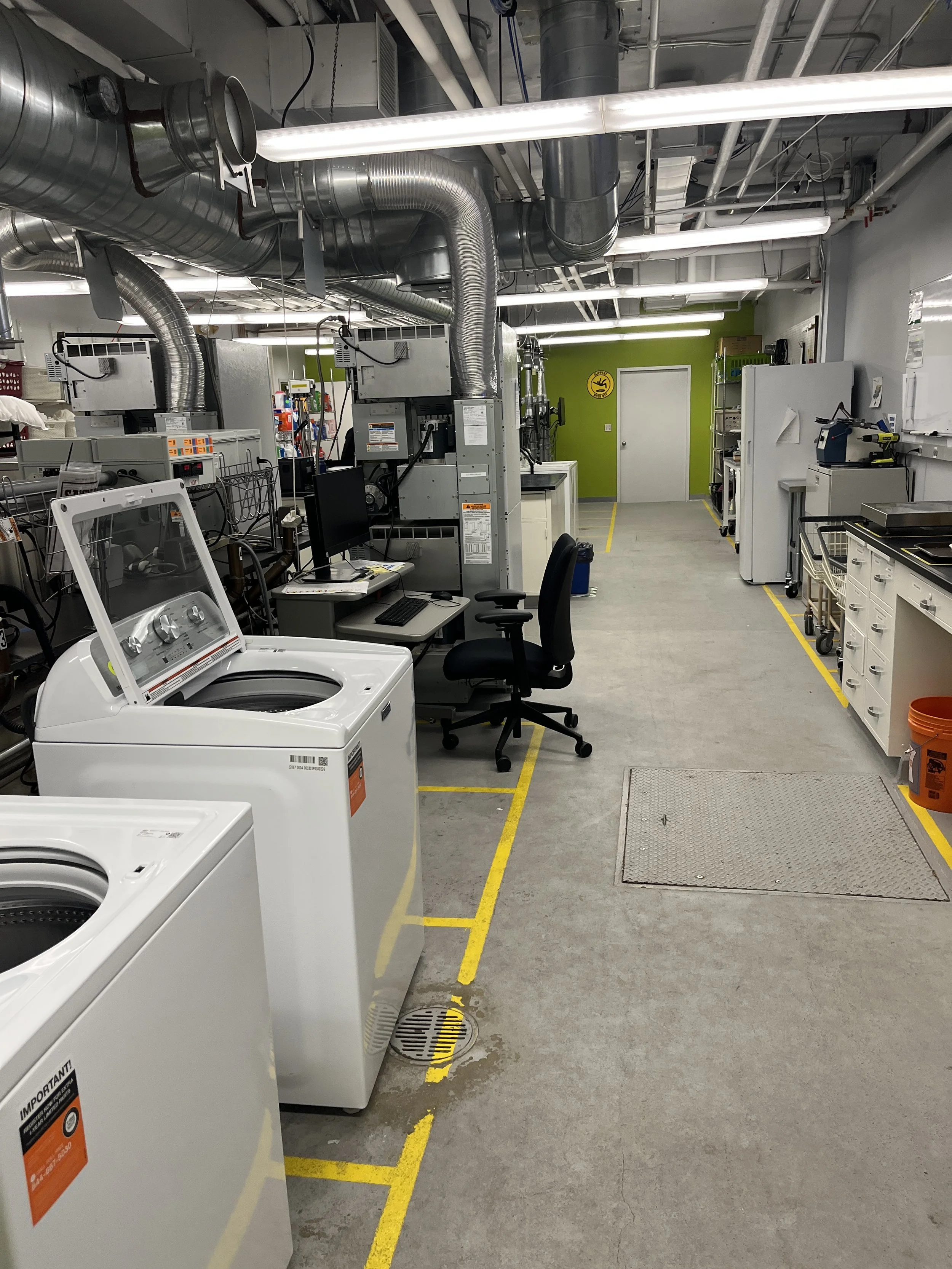
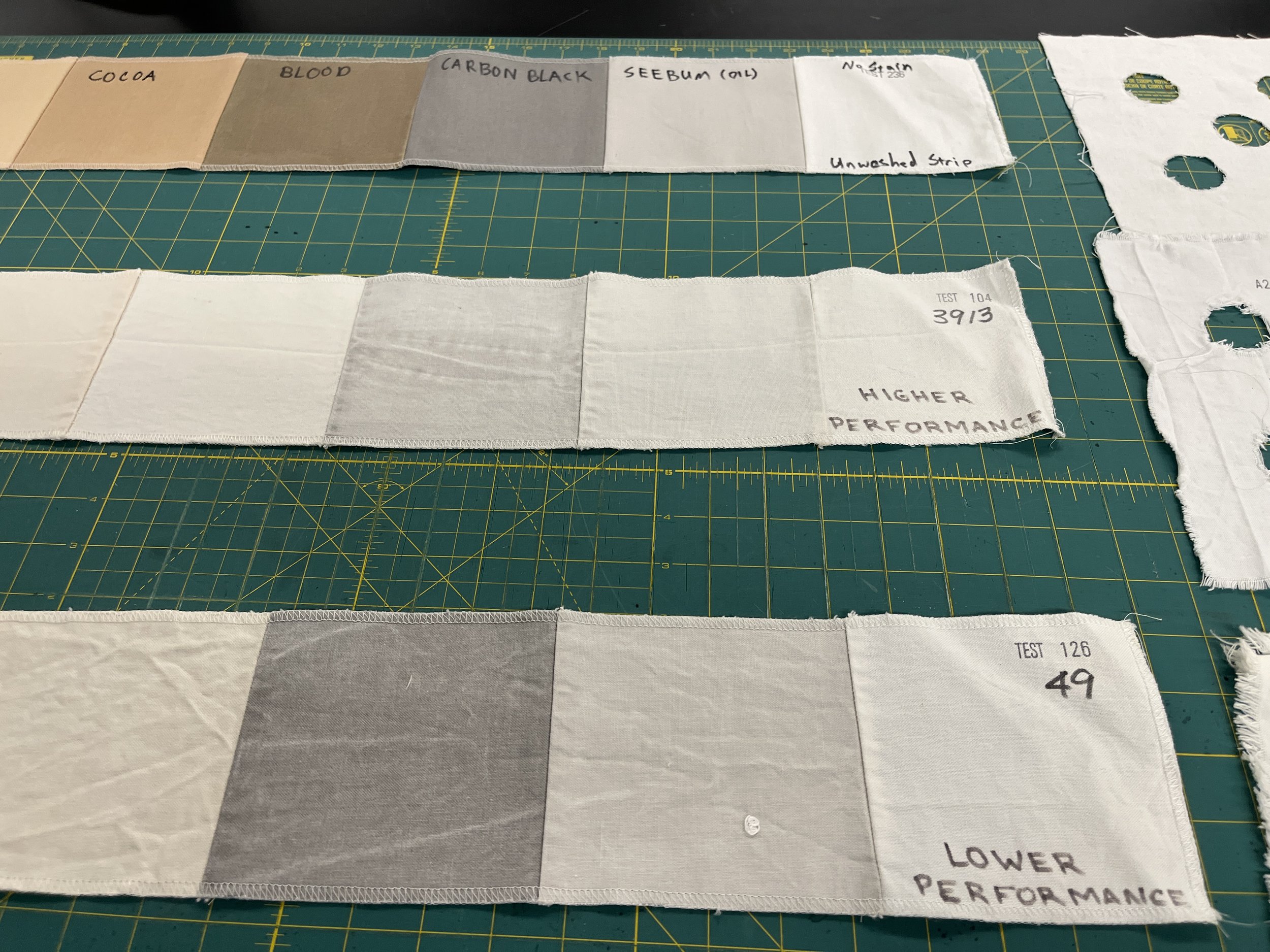
Felix Poon: The building is kind of a maze - there are different labs - over 60 of them – designed to test different things.
Richard Handel: We’re in the laundry lab
Paul Hope: This is our grill lab
Joan Muratore: : You can see cribs, high chairs, strollers, and diapers.
There’s even an anechoic chamber to test noise-cancelling headphones. Where it is truly…dead silent.
[MUX PAUSES]
Jason Holmes: some people start to hear like they think they're blood flowing or body functions because there really is just no sound or no echo.
[MUX RESUMES]
Felix Poon: Consumer Reports was founded in 1936…Back then it was called Consumers Union. And the magazine that subscribing members got was called the “Consumers Union Reports.”
The first issue examined the difference between Grade A and Grade B milk (there was none…except the price.)
It called out Kellogg’s cereal for only partially filling their corn flakes cereal boxes. (ugh, so relateable!)
And it gave advice on “how to select a toothbrush” (turns out, straight handles were pretty great!)
A few years later, they simplified their name to Consumer Reports, and since then they’ve tested everything from big ticket items like cars…
Clip: Here at Consumer Reports auto test center in CT, nobody tests cars like we do.
Felix Poon: …to cheap infomercial products they say aren't worth your money…
Shamwow Guy: See what I’m telling you? Shamwow you’ll be saying wow every time. It’s like a shammie, it’s like a towel…
[MUX IN: Sharp Lapel by Blue Dot Sessions]
The next stop of my tour is outside, to a big metal garage that’s known as The Shed.
Chris Regan: Welcome to The party. How are you? Chris Regan.
Felix Poon: Nice to meet you Chris, what do you do here at Consumer Reports?
Chris Regan: Uh, whole lot of nothing. I’m a project leader for outdoor power equipment. lawn mowers, pressure washers, leaf blowers, snowblowers, robotic mowers now.
Robotic mowers? Honestly, I didn’t even know that was a thing. Consumer Reports has just started testing them here.
Paul Hope: it's a whole new world and category. So a lot of them have things like anti-theft devices built in because the neighbor could theoretically just scoop up your $1,600 robotic lawnmower and, and take it and just pair it with the app.
[MUX SWELL AND OUT]
Felix Poon: Tours like this can be awkward. I’ve got a handler basically chaperoning me for the day.
And then the whole point is for me to see what it looks like to work here… but as soon as I come around, people stop working. And I can tell they’re just a little wary of me, the media guy.
Matt Schimmenti: Are you…. You're not recording right now are you?
Felix Poon: I am, is that I was I wasn't recording anything that was going on just now. But, uh, I wouldn't mind getting some candid moments, you know.
Chris Regan: Candid moments.
Felix Poon: I try to get them to open up.
Felix Poon: What's the craziest thing you've seen?
Scott Collumb: Um, not really sure about crazy. Um.
Felix Poon: This is Scott Collumb, he’s one of the testers here.
Chris Regan: Space heaters.
Scott Collumb: Well, yeah, we can occasionally get, you know, some of our cloth on space heaters catches fire. We’ve had grills too that melted. We, uh, do a flare up test on that. And depending on what the grill’s made of, it tended to melt at times.
[MUX IN: Trombone Tango by Ludvig Moulin]
Felix Poon: A big part of what they do here is to test how safe things are. But in order to do that, they have to push things to the limits, see where stuff starts to catch fire, or melt. Like a cordless drill they tested once that got so hot that solder came pouring out of it. They’ve seen it all.
Scott Collumb: A lot of flame in my end of the company.
Felix Poon: Anyone else had any exciting safety tests they've done?
Chris Regan: Indu has tested pressure washers, so one of the issues with pressure washers is you have the zero degree. You want to go into that.
Indu Sunkara: Um zero degree just means it's a straight hole.
This is Indu Sunkara, another technician here.
Indu Sunkara: So a pressure washer will just emit a straight beam of water almost like a laser laser. Yes. And it's a lot of pressure and it can cut through foam wood, even like a finger pretty easily.
Felix Poon: Cutting through fingers??? It kind of amazes me how these guys talk about their work like it’s just another day on the job. Doing the same old thing again… melting grills, space heaters catching on fire... Nothing surprising here.
Surely they’re having fun too though, right?
Right?
[MUX OUT]
Felix Poon: what's the most fun thing you've tested here?
Matt Schimmenti: Chainsaws is pretty fun.
Barrie Rosen: Why don’t you show him?
That’s my handler, Barrie Rosen, Director of Communications, giving just enough encouragement to let the guys show off a bit.
Felix Poon: Do you want to show me?
Matt Schimmenti: Yeah, I have to suit up, but. Sure.
Felix Poon: That’s Matt Schimmenti, the chainsaw tester. He puts on red safety pants, gloves, and a hard hat with ear muffs. And now he’s ready to cut some lumber.
Matt Schimmenti: I'm going to like cut like this. Can you not stand in this cone? If the. Yeah. If the chain snaps it tends to shoot outward. So that would be unsafe. All right.
Felix Poon: This is more of a demonstration than an actual test. But what they would be testing for is speed, handling, how easy it is to use.
First he uses an electric chainsaw.
[WHIRRR]
Felix Poon: Then, a gas chainsaw.
[AMBI - getting the chainsaw to sputter on]
[AMBI - chainsaw cutting]
Matt Schimmenti: And I could just do several of those…
Felix Poon: I’m starting to see that the non-chalance these guys have – about snapping chains and space heaters catching fire – it’s part of what makes them the experts. Like, they’re doing the same tests over and over and over again. It’s repetitive. And to them, maybe even a little boring.
But it’s that repetition that’s the reason why they know so much. Take this guy, talking about generators.
Paulo Fu: so we had to change the oil and the spark plugs on it.
Felix Poon: This is Paulo Fu on generator maintenance. His colleague Indu chimes in.
Indu Sunkara: Air filters and the battery.
Paulo Fu: And you have to ensure your gas is good, which is a problem in itself. A lot of people, they forget what to do with their bad gas. Like gas goes bad after six months. And then if you put fuel stabilizer, it'll be a year.
[MUX IN: Window Weepin’ by Lennon Hutton]
Felix Poon: They’re like that nerdy friend or family member you call for advice. But once you get them started, they don’t know how to stop…
[MUX SWELL]
Paulo Fu: 100% do not run any of these near your house if you can. Our recommendation is 25ft. We understand that that's not feasible for some people, but at least point it away from the house
[SLOW FADE OUT]
And, uh, be careful of any vents in your house that it may leak into, such as soffit vents.
Felix Poon: For me, I’ve always known Consumer Reports as that magazine my Boomer dad subscribes to. It feels like a holdover from the 20th century, in this digital age when print magazines are dead.
But what I didn’t know about Consumer Reports before going into this story is that: they’re not just a magazine. They’re a non-profit. They receive grants and donations from individuals and organizations.
They play a kind of consumer watch-dog or quality assurance role.
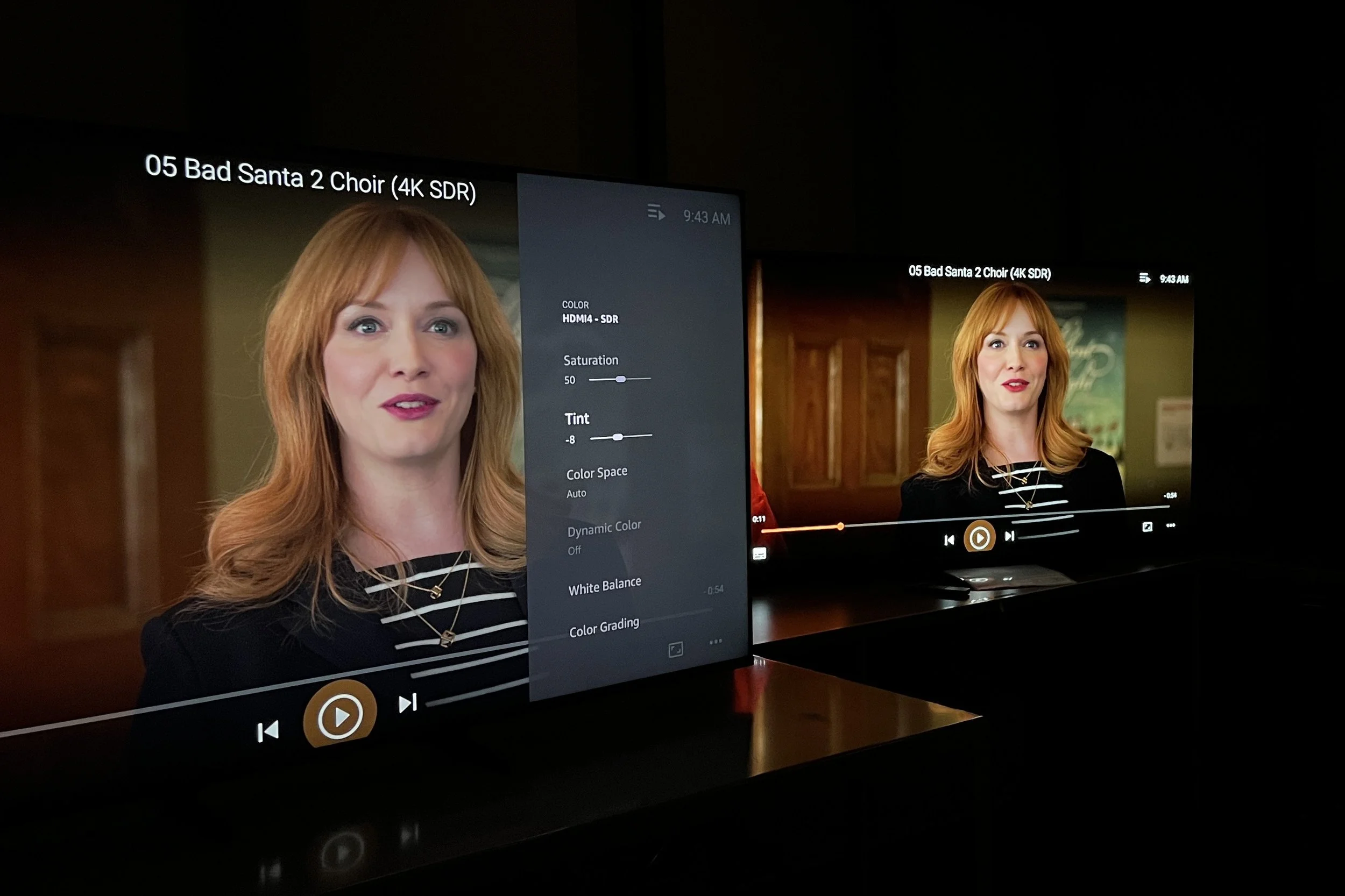
Take TVs for example. When TVs first became “smart” and could connect to the internet, Consumer Reports had their own hackers try to hack into them.
[MUX FADE OUT]
Barrie Rosen: And what we found is that there was a model television that was hackable.
Felix Poon: This is Barrie Rosen again, Director of Communications.
Barrie Rosen: And one of the things that we do that is unique in our testing process is we engage with manufacturers when we find issues around it. And so we contacted this manufacturer to notify them of the security vulnerability that we had found. And they fixed it.
Felix Poon: They even have lobbyists pushing for better regulations of things like hidden costs, vehicle safety, and food safety.
Take for example…
Sana Mujahid: red dye number three.
That was banned in cosmetics since the 1990s, but it was allowed in food.
Felix Poon: This is Sana Mujahid. She’s a Senior Manager of Food Safety Research & Testing at Consumer Reports.
Red Dye Number 3 has been a known carcinogen since 1990, but it’s still allowed as a food additive.
Then a few years ago Consumer Reports joined a petition to ban Red Dye Number 3, which the FDA has just agreed to do. Starting on January 15th, 2027 companies can no longer use it in food.
This has me wondering if Consumer Reports is basically filling a gap in the US government’s regulatory work. Especially these days after the Trump administration gutted the Consumer Financial Protection Bureau. And some experts are blaming CDC cuts for its ineffective response to the recent explosive diahrea from lettuce outbreak
Sana Mujahid: So we are definitely filling a gap. There are, things being banned or more strictly regulated in Europe and not here. And we do our testing and submit petitions to make the FDA or USDA act faster to ensure that we also have that same level of safety for our food.
Felix Poon: So Consumer Reports does what they can to make systemic changes. But still, so much comes down to our own choices.
Felix Poon: So I'm curious how you choose what to test because there's so much out there. Like
Oreos, they release dozens of flavors a year.
I don't think you can keep up with all that, right? Like, how do you choose what to test?
Sana Mujahid: That's a very good question.
we actually employ a whole team of market analysts that will look at what's popular in the marketplace, what new flavors are trending, and we look at peer reviewed research, we look at government data
Felix Poon: Take for example, rice. Not a flashy new product, but a food staple for billions of people around the world.
Thing is, rice can absorb toxic arsenic, which is naturally occurring in soil. But industrial pollution is adding even more of it into the ground.
Plus, more CO2 in the atmosphere is boosting how much arsenic gets absorbed when rice is being grown.
That’s why Consumer Reports recently published an article giving advice on how much rice you can safely eat, and why you should parboil your rice and discard the water before fully cooking it.
[MUX IN: Starlight Corps by Bluedot Sessions]
But…parboiling? Who’s gonna actually do that? That’s not a setting on my rice cooker!
We can get advice on what we eat, or what we buy. But whether or not we take it is another matter.
Felix Poon: do you ever find yourself, like at a friend's house at like a dinner party and you're like judging their whatever they have in the kitchen, like, oh, you buy this? Oh, that's not very good.
Sana Mujahid: Um, you know, I do have a philosophy in life, like anything in moderation is okay. And with a lot of our work, it's the dose makes the poison. It depends on how much of the, um, contaminant or. Bad substance you can say you're consuming and it depends on who's consuming it. So I'm much more picky when it comes to children being served certain food than I am to adults.
[MUX SWELL]
Nate Hegyi: Speaking of consuming contaminants... we're working on an episode on food safety science. We're talking to the experts about topics like: is it okay to eat day-old pizza for breakfast? When you bring a ham sandwich on a long hike, is that risky? We'd love to bring YOUR questions to the experts -- the weirder the better. You can leave a voicemail on our hotline- 1-844-GO-OTTER or send an email to outsidein@nhpr.org.
Alright -- coming up next, how Consumer Reports is handling the electric revolution of power tools.
Stick around.
[MUX SWELL AND OUT]
<<MIDROLL>>
Felix Poon: From NHPR this is Outside/In, a show where curiosity and the natural world collide. I’m Felix Poon.
[MUX IN: Edvard Grieg — Peer Gynt Suite No. 1, Op. 46, Morning Mood by Odyssey Orchestra]
[outdoor noises / birds]
Felix Poon: And now it’s time to enjoy the peace and quiet of the outdoors. Ahhh…
[sound of loud leaf blowers]
Felix Poon: Except this is what the outdoors in many parts of the country sound like these days. Leaf blowers. They’re increasingly driving people mad. Not only are they loud, but they’re polluting. They burn a mixture of oil and gasoline and release as much as 30% of their unburned fuel into the air.
One solution is to swap out gas leaf blowers for electric. That’s what hundreds of gas leaf blower bans across the country are trying to do.
But are electric leaf blowers as powerful as their gas counterparts?
And what about… you know… my masculinity?
Sometimes it can feel like power tools are an extension of that.
Case in point… [macho voice] the ball rise test.
Felix Poon: Okay. Alright. We've just brought out a contraption here. It looks like some PVC piping.
Technician: This is the ball rise test.
How high can the ball go? That's the name of the game.
Felix Poon: It’s basically a long clear tube rising more than 10 feet into the sky. And it’s got two yellow softball-sized balls inside it.
They stick the leaf blower into an opening at the bottom end of the tube, and see how high the balls float upwards. The higher they go, the more powerful the leaf blower.
Indu Sunkara: the two balls, smooths out the flow of the air. When we had one ball, it would oscillate a little too much to get a steady reading.
[GAS LEAF BLOWER]
Felix Poon: With the gas leaf blower, the balls rise to about 4 and a half feet.
Now they try an electric leaf blower.
[ELECTRIC BLOWER]
Felix Poon: The balls rise about the same height. But then…
Jonathan Tuzynski: That's without turbo.
[TURBO] – (LAUGHTER)
Felix Poon: …with turbo, the two balls reach the tippity top, 10 feet
That loud whistling sound by the way is from the contraption, not the leaf blower. But the point is, this test shows that this electric leaf blower has more oomph than its gas counterpart.
How’s that for manly.
Felix Poon: So has testing different outdoor power tools. Um impacted what you guys buy for your for your own homes.
Matt Schimmenti: Oh yeah. For sure.
Scott Collumb: I switched to an electric battery powered mower since testing them.
Chris Regan: Scott has tested lawnmowers for ten years, so he has seen hundreds of mowers over the years. And yeah, when did you switch over?
Scott Collumb: Only a couple of years ago. But the batteries have been getting better and better, especially on mowers.
[MUX IN: And So it Goes by Blue Dot Sessions]
Felix Poon: The shift to electric everything has been a climate rallying cry for a while now. But these guys are only recent converts. Not too long ago, electric just wasn’t as powerful as gas, or the battery just couldn’t keep up.
Now? Pretty much everyone who’s done any kind of lawn mower testing at Consumer Reports has made the switch to electric.
In fact, when it comes to power equipment in general, these guys aren’t debating gas versus electric. They’re debating something else…
Matt Schimmenti: So it's like additional value if you stay within the same ecosystem.
Felix Poon: They’re debating which battery “ecosystem” to stay in. In other words, there’re benefits to sticking with a particular brand for your tools and appliances. Because…
Matt Schimmenti: If you already have three Ryobi 40 volt batteries, you buy a fourth tool, you can buy just the tool and not have to spend extra money to buy the batteries. You get a little bit more bang for your buck because you already can use the three you have.
[MUX SWELL THEN FADE UNDER AND OUT]
Felix Poon: So, product review listings like Consumer Reports are becoming boosters for the renewable transition, not because they’re getting paid to. They’re not. But because electric products are just performing better these days.
And that’s got me wondering, about the timing of the arrival of Consumer Reports’ new CEO, Phil Radford.
Barrie Rosen: Felix this is Phil. Phil, Felix. Felix, Phil.
Felix Poon: Nice to meet you.
Felix Poon: Phil is a former CEO of Greenpeace, and he worked for the Sierra Club just before coming over to Consumer Reports.
Felix Poon: so I'm curious,
is consumer products testing. Is, is that an environmental issue for you?
Phil Radford: It's, sometimes there is overlap, but it's really the purpose of Consumer Reports is to give consumers that are smart people, um, great research, great information so that they can make informed decisions. Sometimes that means we are informing them about toxins in their baby formula, uh, about, you know, lead in the protein powder supplements they're eating. And so there are some environmental health angles to it, to consumer protection. But Consumer Reports is here for consumers.
Felix Poon: I guess when I think of consumer reports, I think about consuming products. Um, and, and in America, we might have a consumption problem. You know, there's a lot of purchasing of things. A lot of it ends up in the trash, landfills, but you have obviously you care about environmentalism. So, so is there a disconnect there for you or no?
Phil Radford: You know I think everybody has their personal passion, and then they have their profession. Right? And so, I personally care very much about the environment. My role at Consumer Reports is to serve all consumer whether or not they’re concerned about the environment.
[MUX IN: Basic Curiosity by Blue Dot Sessions]
And I think, it's hard to be a saint for any individual and it's hard to be perfect. And people are generally doing something and doing part of their part.
And the real thing is that companies need to continue to evolve to make better products, and companies need to do their part more as well.
And so I generally don't blame the consumer for environmental problems that we have. I think what's really important is that Consumer Reports gives people the information so they can make informed choices based on their values.
[MUX SWELL]
Felix Poon: Of course, one of the ways Consumer Reports could be good for the environment is if their reviews encourage buying products that last a long time.
Ideally, it’s a win-win… You don’t waste your money on a piece of junk toaster that craps out in 6 months… AND, that toaster doesn’t wind up in the landfill.
Phil Radford: we have about 5 million subscribers and members. They span all views, right? Some care about the environment, some don't. Some vote this way, some vote that way. But they all share something in common, which is that they want a high quality product that lasts.
[MUX OUT]
And so when you look at that, we it's just natural for us to do push for bills, uh, to have a right to repair certain products, right where. And so we passed that in several states. There are a lot of states that have just used a bill that we wrote and replicated it.
Felix Poon: Phil is saying people want stuff that lasts - but, when they do break, they want stuff that can be fixed instead of thrown away and replaced.
The right to repair movement is all about making sure you can buy parts and manuals, and that companies don’t put their machines behind software locks that prevent people from fixing their own stuff, like the generator technicians I talked to earlier on the tour do.
But I wonder, aren’t products these days not as good as they used to be. I feel like you’re always hearing, “They don’t make ‘em like they used to.” That’s a saying for a reason right?
I actually asked a lot of long-time staff at Consumer Reports…folks who’ve been working here for 20, 30, 40 years! Have they seen things get worse? Do companies really not make things like they used to?
Joan Muratore for example has been testing baby strollers for a quarter century.
Joan Muratore: I mean, they do try to use lighter materials, but I mean, really baby products need to be pretty durable, you know, so we really haven't seen that. Like they don't make it like they used to
Felix Poon: Joan wasn’t the only one, Everyone I asked basically said… no, it’s not true.
Sure there’s a lot of cheap junk on the market. And sometimes it’s outright garbage.
But Depending on what you’re buying, you CAN find Products that last just as long, if not, longer than the old stuff did.
You just have to know what to look for. And maybe, be willing to pay more for the privilege of buying something once now, instead of twice later… that’s if you can afford it in the first place
[MUX IN: Corner at Cicero by Blue Dot Sessions]
Sometimes I feel like the world is pressuring me to buy stuff – to upgrade something even if it still works, for some obnoxious feature I don't really need.
But like, when I’m stuck between buying two different versions of something new, I sometimes decide, maybe I just don’t buy either of them.
Like, who cares if it’s gas powered, or electric, if I don’t actually need a leaf blower in the first place?
Still, I appreciate that Consumer Reports isn’t just a bunch of product reviews, that they’re trying to make more systemic change too. It’s why I kind of like their original name – Consumers Union.
Like, we’re all kind of in this together, trying to make sure that nobody’s TVs are hackable, and that there shouldn’t be toxic levels of arsenic in our rice in the first place.
Because one thing’s for sure… I am not parboiling my rice!
[MUX SWELL THEN UNDER AND OUT]
Nate Hegyi: That’s it for Felix’s trip to Consumer Reports – there’s a lot stuff from his tour we didn’t have time for. You can see photos of it all on our website at outsideinradio.org.
[MUX IN: Mustard Tops by Blue Dot Sessions]
There’s also a blog post Felix wrote about his visit. You can check it out on our Patreon. Head over to Patreon.com/outsideinradio and become a member to read it, and get ad-free episodes too!
Felix Poon: Do you guys ever have like a field day and play some sports?
Paul Hope: We do. We actually have a volleyball team that plays out here. We previously had a softball team.
Nate Hegyi: Last but not least…let us know if we passed YOUR lab tests! You can leave us your very own rating or review on Apple Podcasts, Spotify, or the podcast app of your choice.
Felix Poon: It makes me wonder. Like the community here, the social aspect. Like, are there any, like, married couples who met here?
Paul Hope: Yeah. Well, it's funny you ask. I am married to a video producer here, and it's not unique to me.
Felix Poon: And you met through working here?
Paul Hope: Absolutely. So we, we met working on actually of all things, I think leafblower videos or grill videos.
<<CREDITS>>
Nate Hegyi: This episode was mixed, reported, and produced by Felix Poon.
It was edited by our executive producer Taylor Quimby.
Rebecca Lavoie is Director of On Demand Audio. Our team also includes Justine Paradis, Marina Henke, and Jessica Hunt.
I’m your host Nate Hegyi.
Paul Hope: So Scott, his wife works in our range lab and does a lot of the oven testing. She bakes out of the cakes and cookies. Um, they commute in together.
Felix Poon: Special thanks to everyone else I spoke to at Consumer Reports, and to Elmer Guardado for arranging my visit.
Nate Hegyi: Music in this episode was by Blue Dot Sessions, Nico Dickens, Ludvig Moulin, Lennon Hutton, and Odyssey Orchestra.
Felix Poon: You should do a whole like reality TV show.
Paul Hope: Oh, I know. We’ve joked about that.
Felix Poon: Consumer Reports, love stories.
Outside/In is a production of New Hampshire Public Radio.