


Another edition of Ask Sam, where Sam answers listener questions about the natural world. This time, questions about hugging trees, bumpy roads, objects stuck on power lines, and epic hummingbird battles.
Featuring special guests, Maddie Sofia, host of NPR's Short Wave, and Kendra Pierre-Louis, climate journalist with Gimlet's How to Save a Planet.



Marty, Maine coon cat, 12-year resident of the Mount Washington Observatory, and the highest-altitude feline in the Northeastern United states, died after a sudden illness on November 9th, 2020.
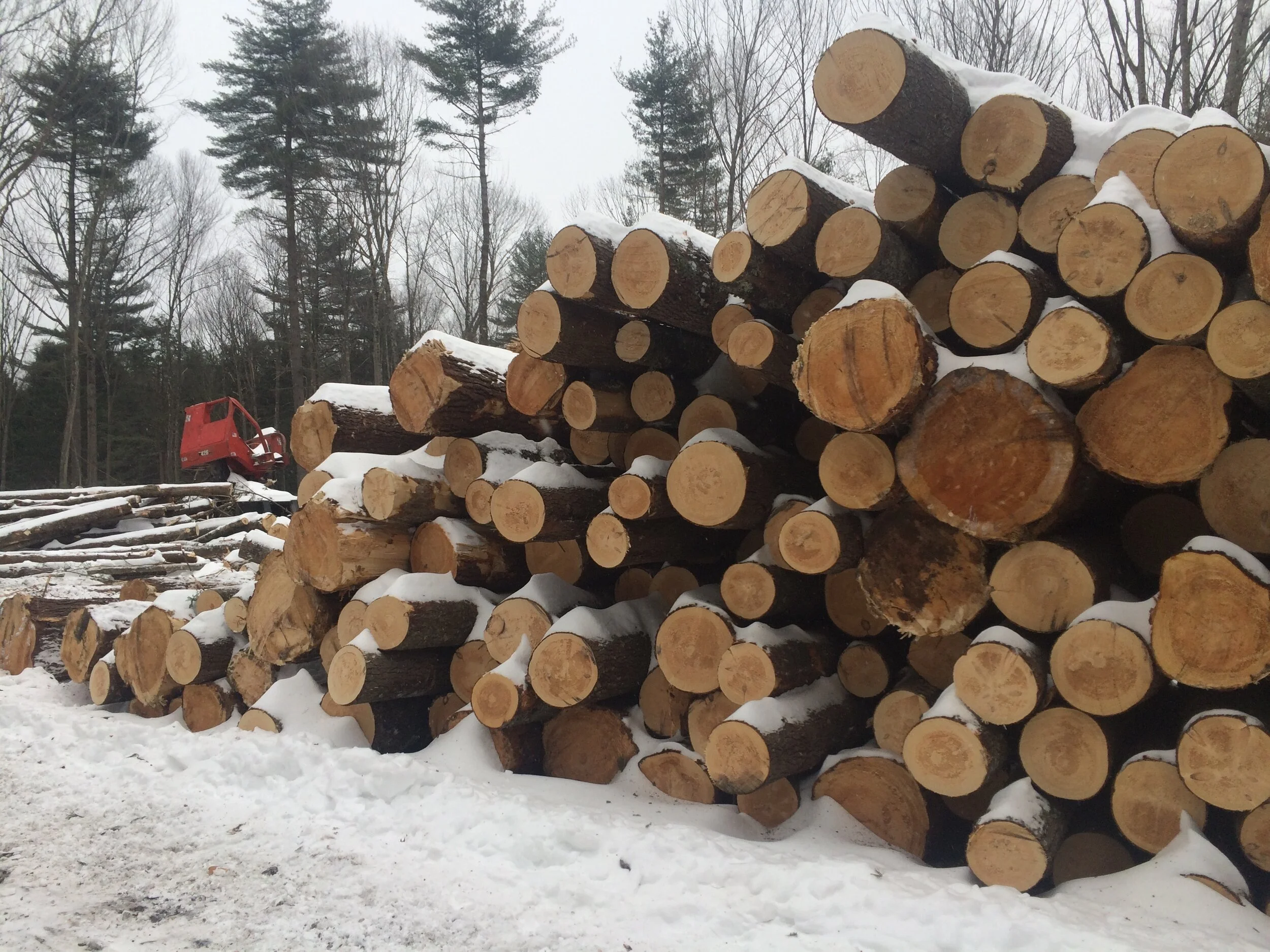

Throughout the 20th century, conservationists and environmentalists have looked to protect wildlife and biodiversity through the creation of parks and other forms of exclusionary wildlife zones. Zones that seek to preserve spaces devoid of human impact - or to create them, by displacing indigenous and poor people who already live there. Today, some academics call this strategy by a pejorative name: Fortress conservation.
In this episode, we look at medieval forest law, the early days of Yellowstone National Park, and spreading concern over how conservation efforts are enacted and enforced around the world.


In one version of a sustainable, carbon-neutral future, the world’s cars will transition from fossil fuels to electricity. Right now that vision absolutely depends on lithium, a primary component of the lithium-ion battery.
But there is no “Lithium Central Planning Committee” balancing supply and demand or making sure that lithium is mined in environmentally and socially responsible ways. In fact, there is almost no lithium mining in the United States at all. So where does it all come from? And who is being affected?


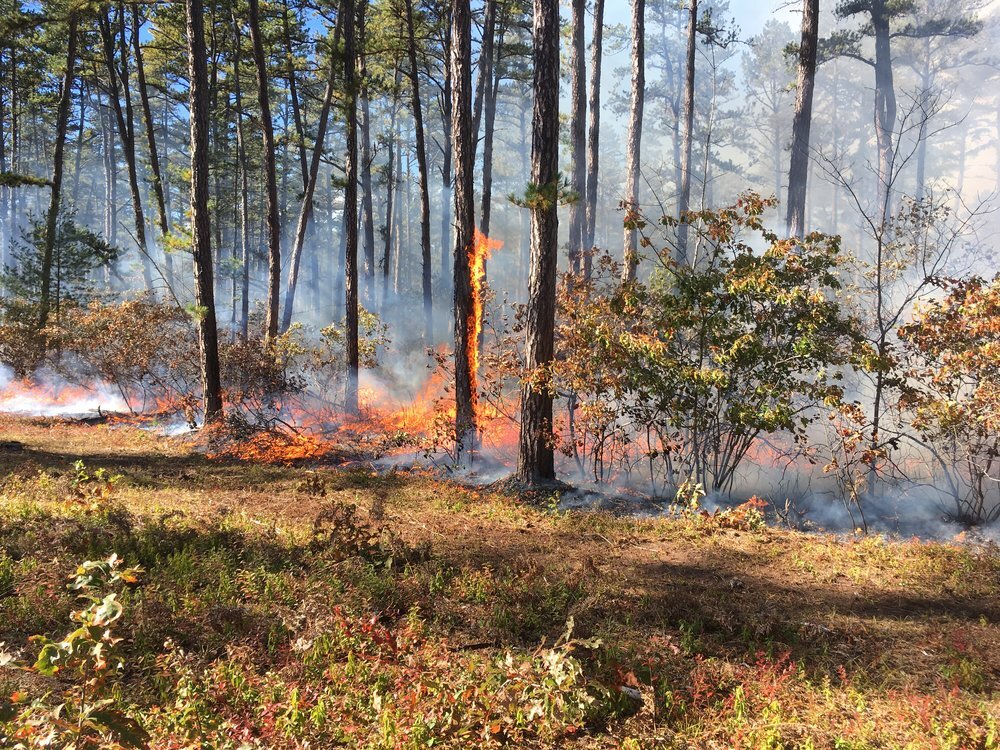
Are snow-making machines an example of climate adaptation, or an example of an emissions feedback loop? Does the fire risk posed by planting trees outweigh the benefits of their use as a carbon sink? Can the team talk big planet problems and still leave room for bad puns? We’ll answer these questions and more climate queries on this special edition of Ask Sam.


In 2016, we produced an episode about the ginkgo tree titled "Ginkgo Stink." But the episode contained an offensive phrase and failed to consider a nonwhite perspective of this amazing species.
In this episode, we’re correcting our mistake, and adding some context about what exactly we got so wrong. First you’ll here Producer Felix Poon share his personal relationship with the ginkgo tree and explores the history of food-related racism in the United States. And then you’ll hear the original story, edited to sound the way it should have when we first produced it four years ago.

For months, producer Taylor Quimby has been trying to craft a story about spicy peppers. Every one of his pitches has been shot down…until now. On this episode of Outside/In, a CULINARY challenge, a DELICIOUS debate, a FANTASTIC food fight in which four producers argue about which seed-bearing delicacy is the ABSOLUTE best. Of course these fruits aren’t the ones you typically think of when you’re making a fruit salad…

The experience of public outdoor spaces isn't the same for everyone. Today, we explore birding while Black (and #blackbirdersweek) and how racist housing policies drive unequal exposure to climate-driven heat waves.

Today on the show, we’re bringing you inside what may be the most important environmental Supreme Court Decision in history. Massachusetts v. EPA declared that greenhouse gases are pollution under the definition set out by one of the nation’s oldest and most successful environmental laws, the 1970 Clean Air Act. The case determined that if the executive branch wanted to do so, it could confront one of the greatest challenges of the 21st century with one of the most celebrated laws of the 20th century. As such, ultimately, it’s a story of the power … and the limits… of the law.

Hydro-Québec, the world’s fourth largest hydropower producer, pumps out low carbon electricity at the cheapest rates in North America. For some, it is the key to a greener, more prosperous, future, but that “clean energy” comes freighted with a complicated history and an uncertain future. This is the story of how a massive, state-owned utility company came to be a symbol of the French-Canadian people. It’s also the story of how a company, with all of the force of a colonial culture behind it, used its power to try to push Quebec’s original occupants—its indigenous people—to one side. It’s the story of how that effort led to something that has become its own kind of revolution in Canada: native people pushing to regain power over their own lives and culture. And it’s a story about the environmental benefits and human costs of clean energy.

We have some thoughts about some of our recent episodes. Some thoughts on mental health during crises, and on the evidence for fire on the land in pre-colonial New England

You know that scene in every disaster movie, where the frantic and panicky science nerd unsuccessfully tries to warn the powers that be that something terrible is about to happen?
In this episode, we explore a historic storm of cosmic proportions, which If it happened today, experts say could turn out to be a disaster the likes of which our modern world has never seen. So…how do you prepare for a disaster that always seems incredibly far away… until it’s not?
Planting a tree can be shorthand for doing a good deed. But in some parts of the world, that act is much more complicated.