Ginkgo Stink
In this episode:
Ginkgo Biloba is a beautiful tree with an incredible history that dates back millions of years – it’s also a popular street tree among urban foresters. So why are some cities clamoring to have all their ginkgoes cut down, while others are planting them in the thousands? The answer has to do with your dirty gym socks, 19th century London smog, and maybe, the curious appetites of long-dead dinosaurs.
Editor’s Note: This episode, as it was originally published, contained insensitive and offensive language and is not currently available. For more information, listen to the updated episode here.
Photos


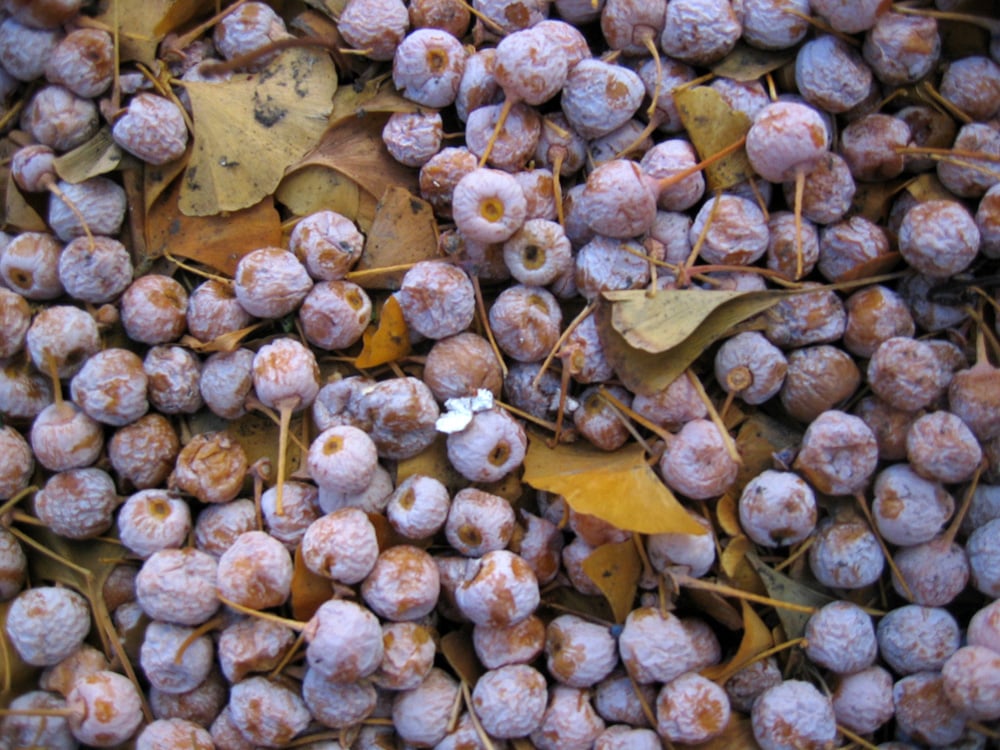


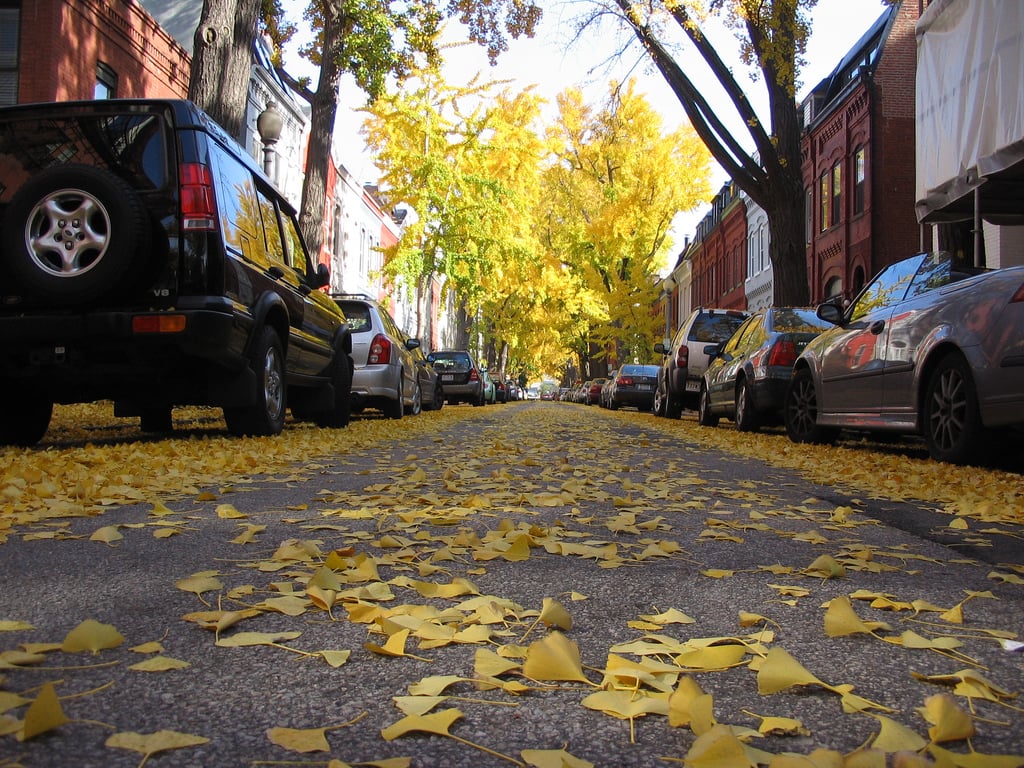

A selection of articles about the infamous "Ginkgo Stink"
Ginkgo Trees Stink Up Cities When Seeds Fall (The Wall Street Journal)
Ginkgo Trees That ‘Smell like Vomit’ Causing Trouble Nationwide (Huffington Post)
The Female Ginkgo Tree’s Acrid Smell of Success (The New York Times)
Pedestrian Raises Stink Over Ginkgo Berries (Chicago Tribune)
Seoul Embarks On Citywide Effort To Clean Ginkgo Stink (The Straits Times)
It’s Ginkgo Season. Watch Where You Step (The Washington Post Express)